

Restoring classic cars is more than a hobby—it’s a way to preserve pieces of automotive history for future generations. Each restoration project requires attention to detail, dedication, and a deep understanding of the original design and engineering. Collectors and enthusiasts play a crucial role in keeping these vehicles functional and authentic, ensuring that iconic models continue to be appreciated. By carefully refurbishing engines, interiors, and exteriors, restorers honor the craftsmanship of the past while keeping classic cars on the road. This article explores how restoration efforts safeguard automotive heritage and celebrate the artistry of timeless vehicles.
Preserving Original Design and Engineering
A key aspect of restoration is preserving the vehicle’s original design and engineering. Alex Manos cars are the prefect examples of this statement. Restorers often study historical records, manufacturing specifications, and archival photographs to understand how the vehicle was originally built. This research helps ensure that repairs and replacements align closely with the original construction methods and materials. Maintaining authentic components, body shapes, and mechanical systems preserves the integrity of the vehicle as a historical artifact. By accurately restoring classic cars, enthusiasts and professionals help document how automobiles were engineered in earlier eras and maintain a physical record of automotive innovation.
Documenting Automotive Craftsmanship
 Classic car restoration also highlights the craftsmanship involved in the production of historical vehicles. Many vintage cars were built using techniques that differ significantly from modern manufacturing processes. Hand-formed metal panels, mechanical carburetors, and detailed interior materials reflect the level of manual skill that was common in earlier automotive manufacturing. Restoration projects often require specialists who can replicate or repair these traditional components using similar techniques. By maintaining these skills and documenting the process, restoration efforts help preserve knowledge about historical manufacturing methods that might otherwise disappear in an era dominated by automated production.
Offering Educational Value for Future Generations
Restored classic cars serve as educational tools that illustrate the progression of automotive design and technology. Museums, exhibitions, and public events frequently display restored vehicles so visitors can observe how earlier automobiles functioned and evolved. Students, historians, and engineering enthusiasts can study these vehicles to understand better the technological advancements that shaped modern transportation. Restoration ensures that important examples of automotive history remain operational and visually representative of their time period, allowing future generations to learn from them in a direct and meaningful way.
Encouraging Cultural Appreciation
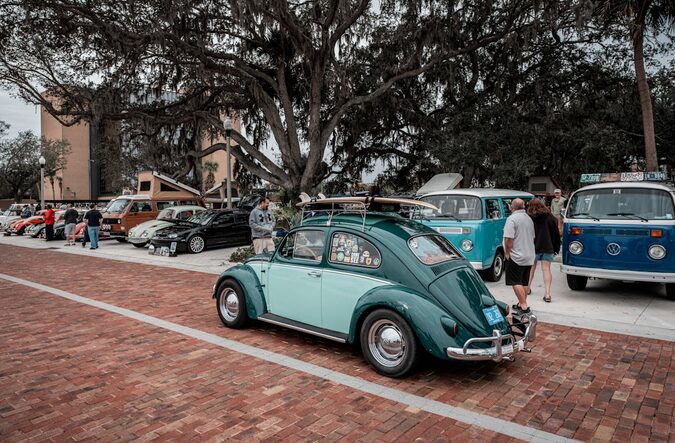
Beyond technical and historical preservation, classic car restoration also encourages cultural appreciation for automotive heritage. Many classic vehicles are associated with specific periods in social history, reflecting the lifestyles, economic conditions, and artistic preferences of their era. Restored automobiles often appear at exhibitions, car shows, and community events where they become symbols of cultural identity and shared nostalgia. This connection between vehicles and social history helps people recognize the broader significance of automotive development and its influence on society.
Classic car restoration is an essential practice that protects and preserves automotive history for future generations. By maintaining original designs, documenting craftsmanship, and supporting educational opportunities, restoration efforts ensure that vintage vehicles remain valuable historical artifacts. These projects also foster cultural appreciation for the evolution of transportation and the technological progress that shaped modern mobility. Through careful restoration and preservation, classic automobiles continue to tell the story of innovation, craftsmanship, and cultural change within the automotive world.