

How Classic Car Restoration Preserves Automotive History
Preserving Original Design and Engineering
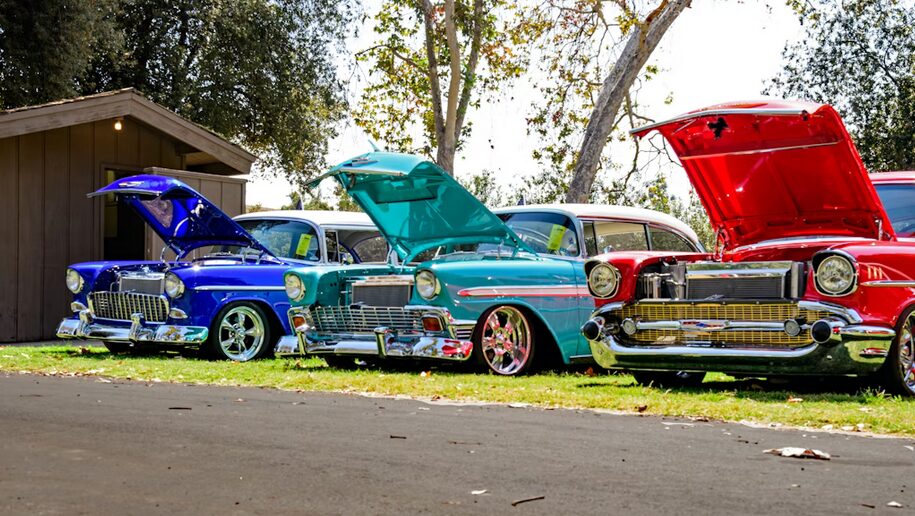
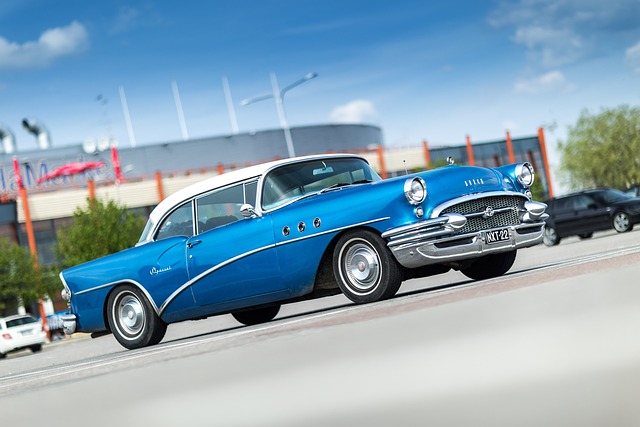
A key aspect of restoration is preserving the vehicle’s original design and engineering. Alex Manos cars are the prefect examples of this statement. Restorers often study historical records, manufacturing specifications, and archival photographs to understand how the vehicle was originally built. This research helps ensure that repairs and replacements align closely with the original construction methods and materials. Maintaining authentic components, body shapes, and mechanical systems preserves the integrity of the vehicle as a historical artifact. By accurately restoring classic cars, enthusiasts and professionals help document how automobiles were engineered in earlier eras and maintain a physical record of automotive innovation.
Documenting Automotive Craftsmanship
 Classic car restoration also highlights the craftsmanship involved in the production of historical vehicles. Many vintage cars were built using techniques that differ significantly from modern manufacturing processes. Hand-formed metal panels, mechanical carburetors, and detailed interior materials reflect the level of manual skill that was common in earlier automotive manufacturing. Restoration projects often require specialists who can replicate or repair these traditional components using similar techniques. By maintaining these skills and documenting the process, restoration efforts help preserve knowledge about historical manufacturing methods that might otherwise disappear in an era dominated by automated production.
Offering Educational Value for Future Generations
Restored classic cars serve as educational tools that illustrate the progression of automotive design and technology. Museums, exhibitions, and public events frequently display restored vehicles so visitors can observe how earlier automobiles functioned and evolved. Students, historians, and engineering enthusiasts can study these vehicles to understand better the technological advancements that shaped modern transportation. Restoration ensures that important examples of automotive history remain operational and visually representative of their time period, allowing future generations to learn from them in a direct and meaningful way.
Encouraging Cultural Appreciation

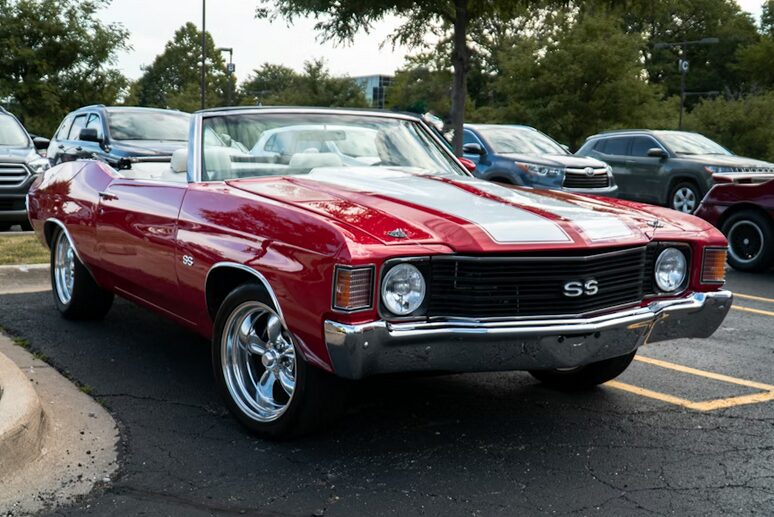
Beyond technical and historical preservation, classic car restoration also encourages cultural appreciation for automotive heritage. Many classic vehicles are associated with specific periods in social history, reflecting the lifestyles, economic conditions, and artistic preferences of their era. Restored automobiles often appear at exhibitions, car shows, and community events where they become symbols of cultural identity and shared nostalgia. This connection between vehicles and social history helps people recognize the broader significance of automotive development and its influence on society.
Classic car restoration is an essential practice that protects and preserves automotive history for future generations. By maintaining original designs, documenting craftsmanship, and supporting educational opportunities, restoration efforts ensure that vintage vehicles remain valuable historical artifacts. These projects also foster cultural appreciation for the evolution of transportation and the technological progress that shaped modern mobility. Through careful restoration and preservation, classic automobiles continue to tell the story of innovation, craftsmanship, and cultural change within the automotive world.
…


 One of the most damaging errors is walking into a dealership without a solid estimate of what your car is worth. Many sellers rely on guesswork, outdated online listings, or emotional attachment. Dealers notice this immediately and adjust offers downward. Vehicle value depends on mileage, service history, market demand, and even seasonal buying trends. Without recent comparisons from multiple sources, you lack leverage. A fair offer feels reasonable only if you already know the realistic range. Accepting the first number placed on the table usually favors the buyer, not the seller.
 The final mistake is settling too quickly. Many sellers never test the market beyond one dealership. Trade-in values vary widely depending on inventory needs, brand alignment, and resale channels. A car rejected by one dealer may be desirable to another. Private buyers, specialty sellers, or online platforms sometimes pay significantly more. Even if you prefer the simplicity of a trade-in, outside quotes provide negotiation strength. Accepting the initial offer removes any reason for the dealer to improve it.
 One of the first decisions to make is whether the modifications will prioritize performance or aesthetics—or strike a balance between the two. Performance upgrades, such as turbochargers, exhaust systems, or suspension changes, can improve speed, handling, and overall driving experience. Aesthetic modifications, including custom paintwork, body kits, or interior changes, focus more on appearance. Determining your main objective early helps guide choices and prevents unnecessary spending on features that don’t align with your goals.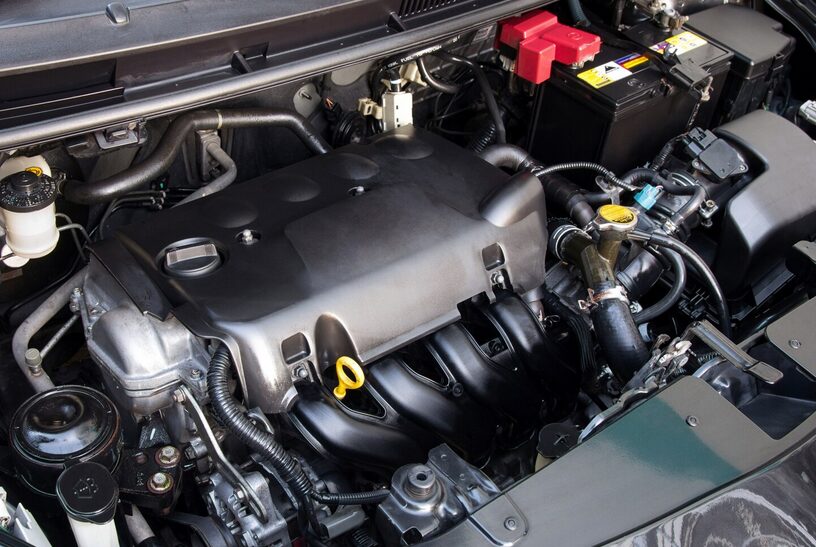
 Beyond performance and style, safety should remain the top priority. Lowering a car too much may affect ground clearance and driving comfort, while excessive engine tuning can strain other vehicle components. Practicality also matters; modifications should not make the car less functional for daily use unless it is intended solely for shows or racing. Striking the right balance ensures the car remains safe, comfortable, and enjoyable to drive.
 Vehicle overviews are an invaluable tool in the



 Regarding transportation, safety is undoubtedly a paramount concern for everyone. Self-driving cars have been designed with this in mind, offering an array of features and technologies that make them remarkably safer than traditional vehicles. A known benefit of self-driving cars is their ability to eliminate human error – the leading cause of road accidents. These autonomous vehicles have advanced sensors, cameras, and artificial intelligence systems that constantly monitor their surroundings. They can accurately detect obstacles, pedestrians, and other vehicles and react instantaneously to any potential dangers. Furthermore, self-driving cars adhere strictly to traffic rules and regulations without fail.
 The key reason many people opt for
  Convenience and comfort are two major factors driving the popularity of self-driving cars. Imagine sitting back and relaxing while your vehicle takes care of all the driving tasks. No more stressing about traffic jams or finding parking spaces – self-driving cars promise to make our lives easier. One of the biggest conveniences is the ability to multitask during your journey. With a self-driving car, you can catch up on work, read a book, or even take a nap while traveling from point A to point B. This newfound free time allows us to be more productive and efficient daily. In addition to convenience, self-driving cars also offer enhanced comfort features.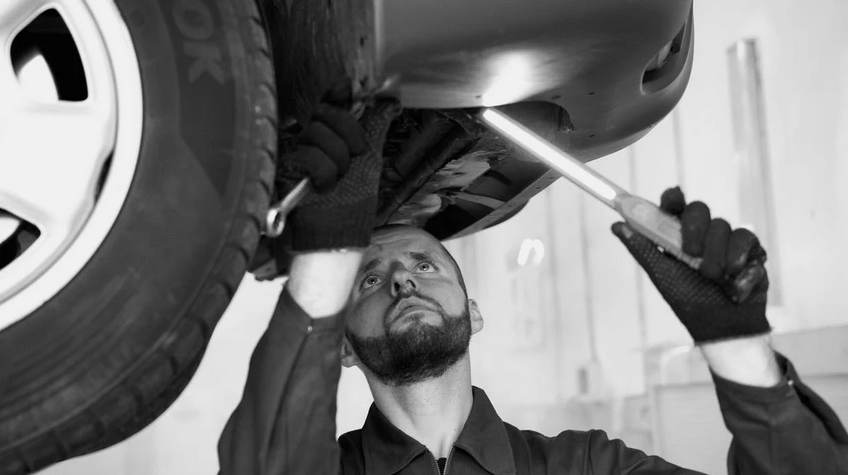
 You know how time-consuming and labor-intensive it can be if you’re constantly loading and unloading vehicles by hand. With a vehicle lift, you can quickly and easily load or unload your cars, which can help improve your overall productivity.
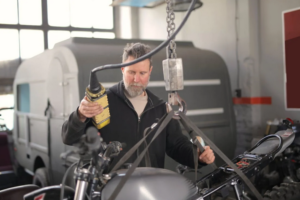 If you have a lot of vehicles, then it’s crucial to stay organized. With a vehicle lift, you can easily keep track of your fleet since they will be neatly stored in one place. It can help you save time and money on maintenance and repairs. If you’re constantly loading and unloading vehicles by hand, then you know how expensive it can be. With a vehicle lift, you can save money on labor costs since you won’t need as many workers to load or unload your vehicles.