
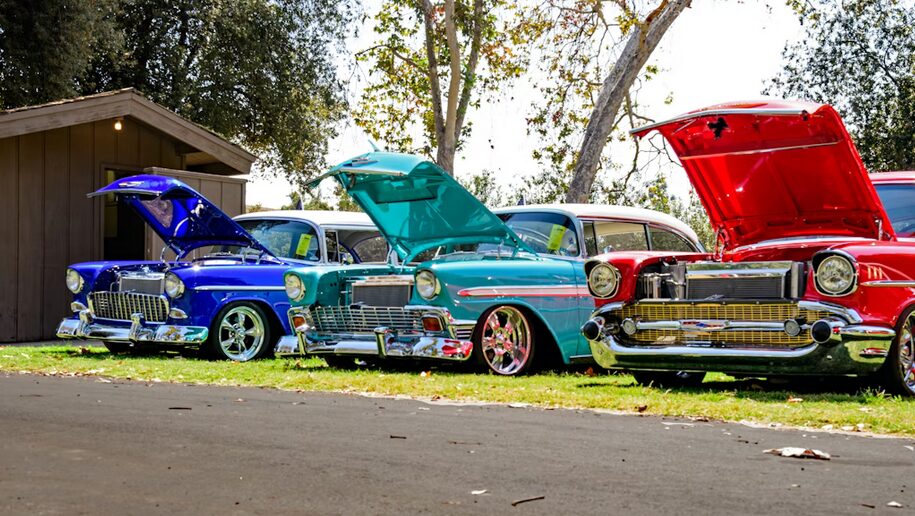
Why Classic Car Collectors Gravitate Toward Beverly Hills Car Club

Classic car collecting blends passion, history, and financial consideration. Enthusiasts do not simply buy vehicles. They acquire stories, craftsmanship, and mechanical heritage. In this competitive and specialized market, reputation matters. Many collectors consistently turn to Beverly Hills Car Club, a well-known Classic Car Dealership. The attraction goes beyond inventory size. It reflects trust, access, transparency, and long-term market presence. Understanding why collectors gravitate toward this dealership reveals broader truths about how serious buyers evaluate classic car sources.

Extensive and Diverse Inventory

Collectors value access. One reason Beverly Hills Car Club stands out is the breadth of its inventory. From European sports cars to American classics, the selection covers multiple eras and marques. Buyers appreciate variety in one location. It allows comparison across models and conditions without traveling extensively. Some vehicles are fully restored. Others are project cars waiting for transformation. This range attracts different types of collectors. Investors seeking appreciation and hobbyists searching for restoration projects can both find suitable options. Inventory depth reduces the friction of sourcing rare vehicles independently.

Transparency in Condition and Documentation

Classic cars rarely come without history. Condition varies widely. Rust, mechanical wear, and incomplete records can complicate transactions. Collectors gravitate toward sellers who present vehicles clearly. Detailed photographs and condition descriptions help buyers evaluate remotely. Honest representation reduces uncertainty. Documentation matters equally. Provenance, matching numbers, and service history influence value. A dealership experienced in classic transactions understands this. Providing accessible information builds confidence and supports informed decisions.

Consistent Market Presence

Longevity strengthens credibility. Beverly Hills Car Club has maintained consistent operations in the collector market. This continuity reassures buyers. Classic car purchases often involve a significant financial commitment. Buyers prefer working with established entities rather than temporary sellers. A sustained presence also indicates familiarity with market cycles. Experienced dealers understand pricing trends, international demand, and shifting collector preferences. This knowledge supports realistic valuation and smoother negotiation.

Access to Global Buyers and Sellers

The classic car market operates internationally. European marques draw American buyers. American muscle appeals overseas. Cross-border transactions require experience in logistics and compliance. Collectors appreciate dealerships capable of managing shipping, paperwork, and customs requirements. International reach expands opportunity. A dealership with global networks provides access beyond local inventory. Sellers benefit from wider exposure. Buyers gain access to vehicles that might otherwise remain inaccessible.

Opportunities for Restoration Projects
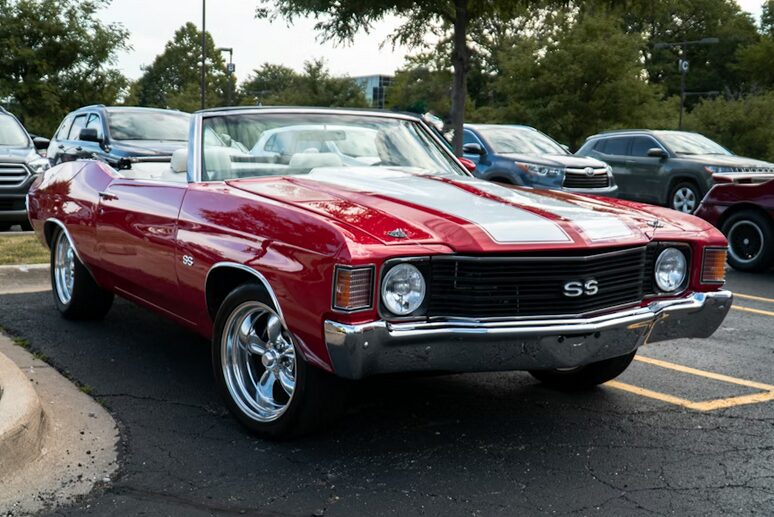
Not all collectors seek finished cars. Some prefer project vehicles. Restoration offers personal involvement and creative direction. Beverly Hills Car Club frequently offers cars in varying states of completion. This attracts mechanically inclined buyers or investors aiming to increase value through restoration. Project cars often require patience and budgeting. However, they provide entry points into prestigious marques at a lower initial cost. Access to these vehicles supports diverse collector strategies.

Reputation Within the Collector Community

Classic car enthusiasts share information actively. Forums, events, and networks influence purchasing decisions. A dealership’s reputation spreads through community discussion. Positive experiences reinforce trust. Clear transactions and responsive communication contribute to that perception. Collectors gravitate toward businesses recognized within the community. Peer validation reduces hesitation. In specialized markets, reputation carries weight.

Classic car collectors gravitate toward the Beverly Hills Car Club for practical and strategic reasons. Extensive inventory, transparent documentation, consistent market presence, international reach, restoration opportunities, and community reputation create a compelling combination. In a market where authenticity and condition vary widely, buyers prioritize trust and access. Established dealerships that understand collector priorities continue attracting serious enthusiasts and investors.…


Mistakes to Avoid When Trading in Your Old Car

Trading in your old car often feels simple on the surface, yet many owners lose serious value because of avoidable errors. Dealers rely on speed, emotion, and information gaps to tilt the deal in their favor. A smart trade-in requires preparation, patience, and a clear understanding of where value can quietly slip away. Early research, including insights from classic and specialty car markets such as those highlighted by Alex Manos, shows how knowledge dramatically changes outcomes. Whether your vehicle is a daily commuter or a collector-worthy machine, the wrong move at the wrong moment can reduce your payout far more than expected. This article breaks down the most damaging trade-in mistakes and explains how to sidestep them before signing anything permanent.

Trading In Without Knowing Your Car’s True Value

papers One of the most damaging errors is walking into a dealership without a solid estimate of what your car is worth. Many sellers rely on guesswork, outdated online listings, or emotional attachment. Dealers notice this immediately and adjust offers downward. Vehicle value depends on mileage, service history, market demand, and even seasonal buying trends. Without recent comparisons from multiple sources, you lack leverage. A fair offer feels reasonable only if you already know the realistic range. Accepting the first number placed on the table usually favors the buyer, not the seller.

Focusing Only on the Trade-In Price

Another frequent misstep is viewing the trade-in as a separate transaction while ignoring the total deal structure. Dealers often raise the new car price while appearing generous on the trade-in side. The numbers may look appealing individually, yet the final cost tells a different story. Some buyers celebrate a “great” trade-in offer while unknowingly overpaying for the replacement vehicle. Every figure must be evaluated together. A lower trade-in paired with a discounted purchase price can sometimes produce a better outcome than the opposite arrangement.

Skipping Minor Repairs and Presentation

car

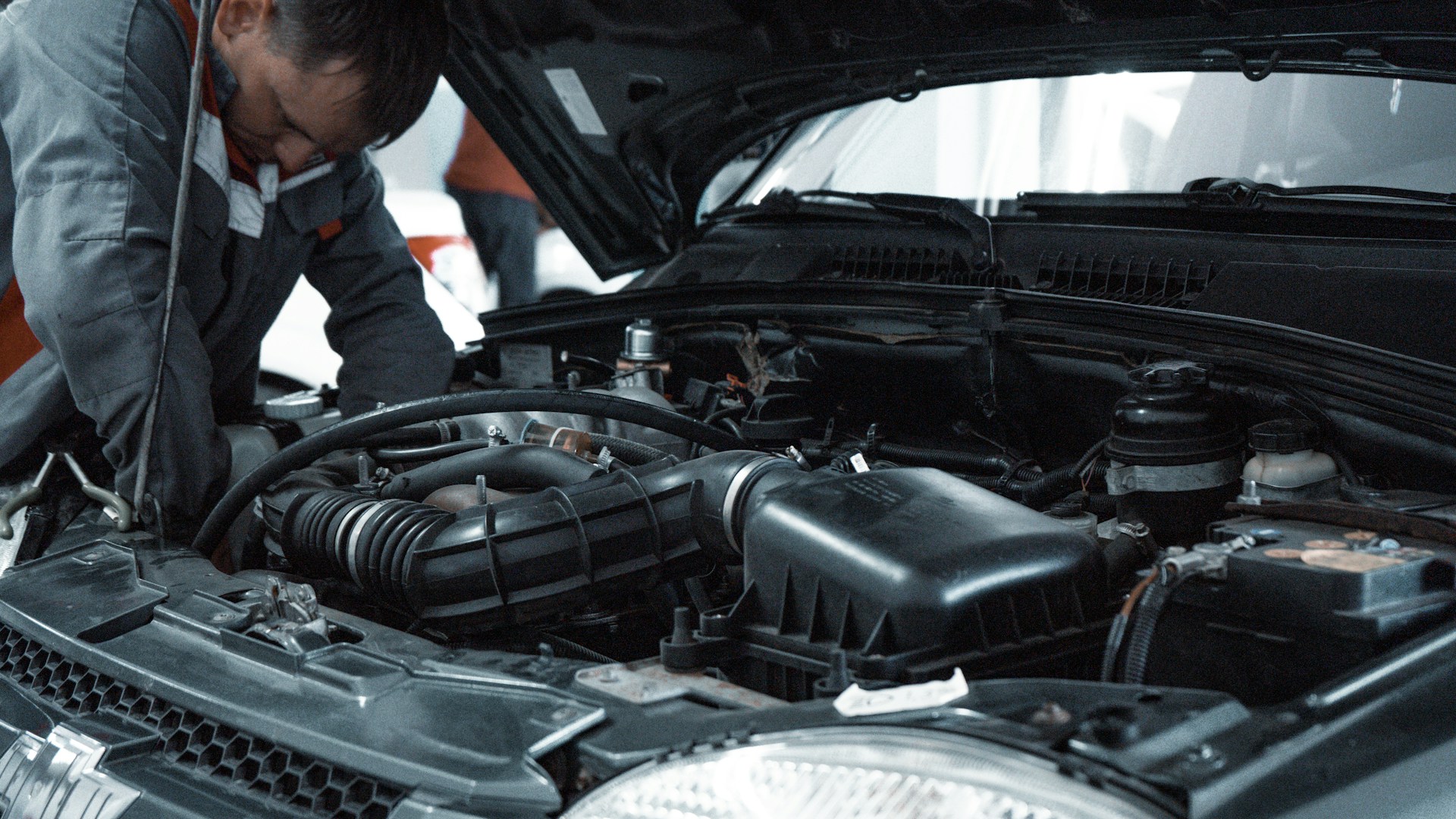
Many owners assume small flaws don’t matter. Scratches, warning lights, worn tires, and overdue maintenance quietly drain perceived value. While major repairs rarely justify their cost before a trade-in, basic fixes often pay off. A functioning light, clean interior, and smooth test drive shape first impressions. Dealers calculate reconditioning costs quickly, then subtract more than necessary for convenience and risk. A modest investment in appearance and functionality can stop those deductions before they start. A neglected look signals future problems, even if the car runs well.

Revealing Too Much Too Soon

Oversharing is another costly mistake. Some sellers volunteer urgency, financial pressure, or dissatisfaction with their vehicle. This information weakens negotiation power immediately. Statements like “I need to sell today” or “I just want it gone” reduce the dealer’s incentive to improve the offer. Silence often works better than explanation. Let the vehicle speak through condition and documentation rather than emotion. Controlled communication keeps discussions centered on facts instead of vulnerability, which dealers often exploit with speed-driven offers.

Accepting the First Offer Without Comparison

people The final mistake is settling too quickly. Many sellers never test the market beyond one dealership. Trade-in values vary widely depending on inventory needs, brand alignment, and resale channels. A car rejected by one dealer may be desirable to another. Private buyers, specialty sellers, or online platforms sometimes pay significantly more. Even if you prefer the simplicity of a trade-in, outside quotes provide negotiation strength. Accepting the initial offer removes any reason for the dealer to improve it.


Trading in an old car does not need to feel like a losing game. Most value loss happens through common, repeatable mistakes rather than bad luck. By understanding your car’s market position, keeping negotiations balanced, managing presentation, limiting unnecessary disclosures, and comparing offers, you place control back where it belongs. A trade-in should support your next purchase, not silently undermine it. Thoughtful preparation transforms the process from a rushed exchange into a calculated decision that protects your investment.…

Factors to Consider When Modifying Your Car

Modifying a car can be an exciting way to improve performance, upgrade style, or personalize the driving experience, but it also requires careful planning. Every adjustment, whether cosmetic or mechanical, can influence safety, reliability, and long-term value. A vehicle like the Cadillac CT4 demonstrates how even small enhancements, from suspension upgrades to custom wheels, can transform both aesthetics and performance. However, before making changes, it’s important to consider how modifications affect insurance, resale potential, and compliance with local regulations. By weighing these factors thoughtfully, drivers can ensure that their customizations not only reflect personal taste but also maintain the integrity and functionality of their car.

Performance vs. Aesthetics

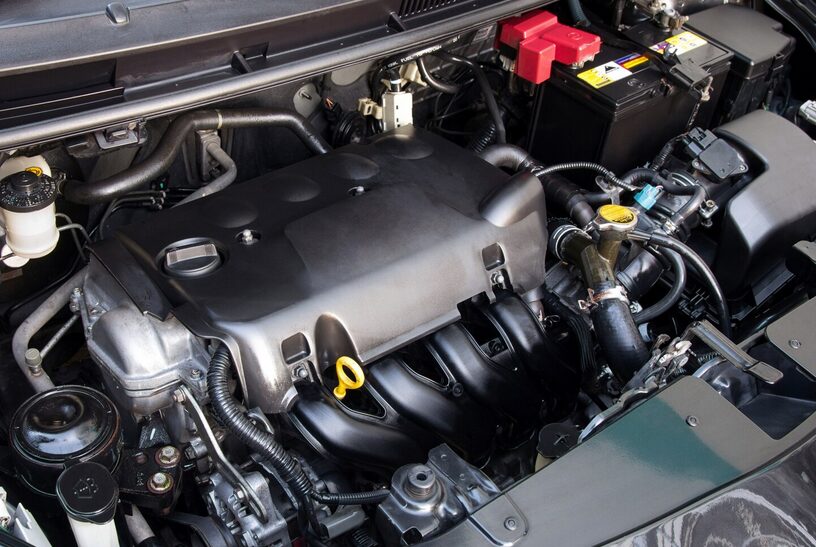
running One of the first decisions to make is whether the modifications will prioritize performance or aesthetics—or strike a balance between the two. Performance upgrades, such as turbochargers, exhaust systems, or suspension changes, can improve speed, handling, and overall driving experience. Aesthetic modifications, including custom paintwork, body kits, or interior changes, focus more on appearance. Determining your main objective early helps guide choices and prevents unnecessary spending on features that don’t align with your goals.

Budget and Long-Term Costs

Modifying a car can quickly become expensive, and costs often extend beyond the initial purchase of parts. Installation fees, maintenance, and potential repairs add to the overall investment. Some modifications, such as aftermarket wheels or upgraded audio systems, may also increase insurance premiums. Setting a clear budget and understanding the long-term financial implications ensures you avoid overspending while still achieving your vision.

Compatibility and Quality of Parts

car

Not all parts are suitable for every vehicle, and choosing incompatible or low-quality components can lead to performance issues and safety risks. Researching thoroughly and sourcing parts from reputable brands ensures durability and reliability. In many cases, original equipment manufacturer (OEM) or certified aftermarket parts provide the best balance of quality and performance. Consulting with professionals can also prevent costly mistakes.

Legal and Insurance Considerations

Car modifications are subject to local laws and regulations, which may restrict certain changes such as tinted windows, exhaust noise levels, or extreme body alterations. Failing to comply with these rules can result in fines or even render the vehicle unroadworthy. Similarly, some modifications may impact insurance coverage if they are not declared. Understanding the legal framework and keeping your insurer informed protects you from legal and financial complications.

Safety and Practicality

auto Beyond performance and style, safety should remain the top priority. Lowering a car too much may affect ground clearance and driving comfort, while excessive engine tuning can strain other vehicle components. Practicality also matters; modifications should not make the car less functional for daily use unless it is intended solely for shows or racing. Striking the right balance ensures the car remains safe, comfortable, and enjoyable to drive.

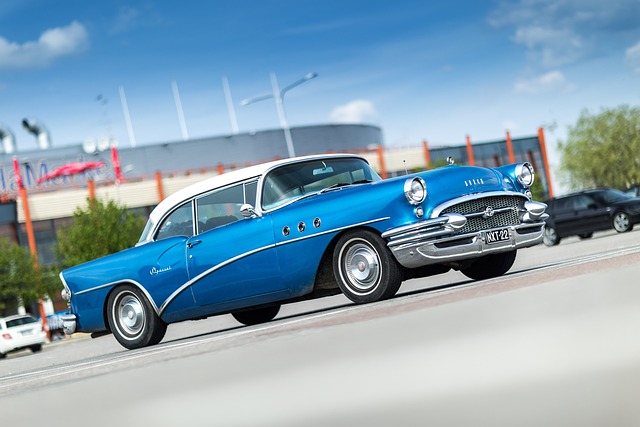

Modifying your car can be a rewarding way to create a vehicle that matches your preferences and lifestyle. By considering factors such as performance goals, budget, compatibility, legal requirements, and safety, you can make informed choices that enhance your car without causing unnecessary problems. Careful planning and responsible decision-making turn modifications into long-lasting improvements rather than costly setbacks.…

Vehicle Overviews and Resale Value: How They Impact Your Car’s Worth

When it comes to selling your car, understanding its resale value is crucial. One of the key elements influencing this value is the vehicle overview. But what exactly is a vehicle overview, and how does it impact your car’s worth? Let’s dive into the details from Texas Plate Lookup to help you maximize your car’s resale potential.

Understanding Vehicle Overviews

A vehicle overview is a comprehensive report that provides detailed information about a car’s history and current condition. This includes data such as the car’s make, model, year, mileage, service history, accident history, and more. Think of it as a health report for your car, showcasing its overall condition and history to potential buyers.

The Role of Vehicle Overviews in Resale Value

Vehicle overviews play a significant role in determining your car’s resale value. Here’s how:

  1. Transparency and Trust: A detailed vehicle overview builds trust with potential buyers. When buyers see a thorough and transparent history of the car, they are more likely to believe in its value and be willing to pay a fair price. Transparency about any accidents, repairs, and maintenance shows that you have nothing to hide.
  2. Accurate Valuation: Vehicle overviews help in providing an accurate valuation of the car. Factors like mileage, age, and condition, as recorded in the overview, are crucial in determining the car’s market value. Buyers and sellers can use this information to negotiate a price that reflects the true worth of the vehicle.
  3. Highlighting Maintenance and Upkeep: A well-maintained car with regular service records can command a higher resale value. Vehicle overviews that show consistent maintenance and care indicate that the car is likely in good condition, which can significantly boost its resale value.
  4. Accident and Repair History: A car with a clean accident history is generally worth more than one that has been in multiple accidents. Vehicle overviews provide detailed information on any past accidents and repairs, allowing buyers to assess the potential risks and costs associated with the car. A car with minimal or no accident history will always have a higher resale value.

car

How to Enhance Your Car’s Resale Value Using Vehicle Overviews

  1. Keep Detailed Records: Ensure that all maintenance and repair records are well-documented and included in the vehicle overview. This demonstrates that the car has been well taken care of, making it more attractive to buyers.
  2. Be Honest About the Car’s History: Honesty is the best policy when it comes to selling your car. Include all relevant information in the vehicle overview, even if it’s about past accidents or repairs. Buyers appreciate honesty and are more likely to trust and value your car if they know its complete history.
  3. Regular Maintenance: Stay on top of regular maintenance and services. A car that runs smoothly and has no pending maintenance issues is more likely to fetch a higher price. Ensure these details are updated in the vehicle overview.
  4. Highlight Unique Features and Upgrades: If your car has unique features or upgrades, make sure they are highlighted in the vehicle overview. Special features can add to the car’s appeal and value.

Using Vehicle Overviews When Buying a Car

If you’re on the other side of the transaction and looking to buy a car, vehicle overviews are equally important. Here’s why:

  1. Informed Decision-Making: A vehicle overview provides all the essential details you need to make an informed decision. You can assess whether the asking price is fair based on the car’s history and condition.
  2. Risk Assessment: Understanding a car’s accident and repair history helps you assess potential future risks and costs. You can avoid cars that have been in severe accidents or have recurring issues.
  3. Negotiation Power: Armed with a comprehensive vehicle overview, you have more power to negotiate the price. You can point out any discrepancies or issues in the car’s history to justify a lower offer.

In Conclusion

carVehicle overviews are an invaluable tool in the car buying …

Expert Tips for Choosing the Ideal Project Car for Your Skill Level and Budget

So, you’ve caught the car enthusiast bug, and now you’re itching to dive into the exhilarating world of project cars. Whether you’re a seasoned gearhead or a newbie with a wrench and a dream, choosing the ideal project car can be both thrilling and daunting. But fear not fellow petrolheads! With the proper guidance, you will find the perfect four-wheeled canvas to unleash your automotive creativity. Buckle up as we revive the top expert tips for selecting the ultimate project car that matches your skill level and budget.

Know Thyself

car

Before you begin the search of your dream project car, take an honest inventory of your automotive skills and experience. Are you a seasoned mechanic with a garage full of tools, or are you just dipping your toes into  DIY car repair? Your skill level will significantly influence the type of project car that’s right for you. If you’re a beginner, consider starting with a more straightforward project that will be manageable with complex repairs and modifications. You can gradually tackle more ambitious builds as you gain confidence and expertise.

Set Your Budget (And Stick to It)

Ah, the age-old question: how much will you spend on your automotive masterpiece? Setting a practical budget is essential when choosing a project car, as costs can quickly spiral out of control if you’re not careful. Factors that include initial purchase price of the vehicle and the cost of parts, tools, and any professional services you may need along the way. Be honest with yourself about what you can afford, and resist the temptation to splurge on a project car beyond your financial means. Remember, your journey is as rewarding as the destination, so don’t let budget constraints dampen your enthusiasm.

Research, Research, Research

laptop

In the world of project cars, knowledge is horsepower. Before pulling the trigger on a purchase, do your homework and research different makes and models to find the perfect match for your vision and skill level. Consider factors such as availability of parts, aftermarket support, and common issues or quirks associated with specific vehicles. Online forums, enthusiast websites, and social media groups are an invaluable source for gathering insights and connecting with fellow enthusiasts who can offer advice and guidance.

Inspect Before You Invest

It may sound obvious, but it bears repeating: always thoroughly inspect a potential project car before handing over your hard-earned cash. Look beyond the shiny exterior and take a closer look under the hood, beneath the chassis, and inside the cabin for signs of wear, damage, or neglect. Rust, mechanical issues, and structural damage can quickly turn a dream project into a nightmare, so take advantage of this crucial step. If you need more confidence in assessing a vehicle’s condition, consider having a knowledgeable friend or hiring a professional mechanics to conduct a pre-purchase inspection.

Choosing the ideal project car is a thrilling adventure that combines passion, creativity, and practicality. By following these expert tips – knowing your skill level, setting a realistic budget, conducting thorough research, and scrutinizing potential vehicles – you can confidently and excitedly embark on your project car journey. Whether restoring a classic muscle car, building a custom street rod, or tackling a modern tuner project, remember to enjoy the ride and savor every moment of the journey.…

Why Many People Are Opting for Self-Driving Cars

Revolutionary technological advancements have reshaped how we live, work, and travel. Self-driving cars are a groundbreaking innovation that has taken the automotive industry by storm. With their futuristic capabilities and potential to transform our daily commute, it’s no wonder why an increasing number of people are opting for these autonomous vehicles. In this blog post, we will explore the top reasons behind this growing trend and delve into the fascinating world of self-driving cars. So buckle up and join us on this exciting journey towards a future where driving becomes a thing of the past.

Improved Safety

carRegarding transportation, safety is undoubtedly a paramount concern for everyone. Self-driving cars have been designed with this in mind, offering an array of features and technologies that make them remarkably safer than traditional vehicles. A known benefit of self-driving cars is their ability to eliminate human error – the leading cause of road accidents. These autonomous vehicles have advanced sensors, cameras, and artificial intelligence systems that constantly monitor their surroundings. They can accurately detect obstacles, pedestrians, and other vehicles and react instantaneously to any potential dangers. Furthermore, self-driving cars adhere strictly to traffic rules and regulations without fail.

Lower Cost of Ownership

cash The key reason many people opt for self-driving cars is the potential for lower cost of ownership. With traditional vehicles, the expenses associated with owning a car can quickly add up. However, self-driving cars have the potential to reduce some of these costs. Self-driving cars can optimize fuel efficiency. They use advanced algorithms and sensors to analyze real-time traffic conditions and adjust their speed accordingly. This means that they can avoid unnecessary acceleration and braking, resulting in improved fuel consumption and reduced costs at the gas pump. Additionally, self-driving cars could also lead to lower insurance premiums.

Convenience and Comfort

laptop Convenience and comfort are two major factors driving the popularity of self-driving cars. Imagine sitting back and relaxing while your vehicle takes care of all the driving tasks. No more stressing about traffic jams or finding parking spaces – self-driving cars promise to make our lives easier. One of the biggest conveniences is the ability to multitask during your journey. With a self-driving car, you can catch up on work, read a book, or even take a nap while traveling from point A to point B. This newfound free time allows us to be more productive and efficient daily. In addition to convenience, self-driving cars also offer enhanced comfort features.
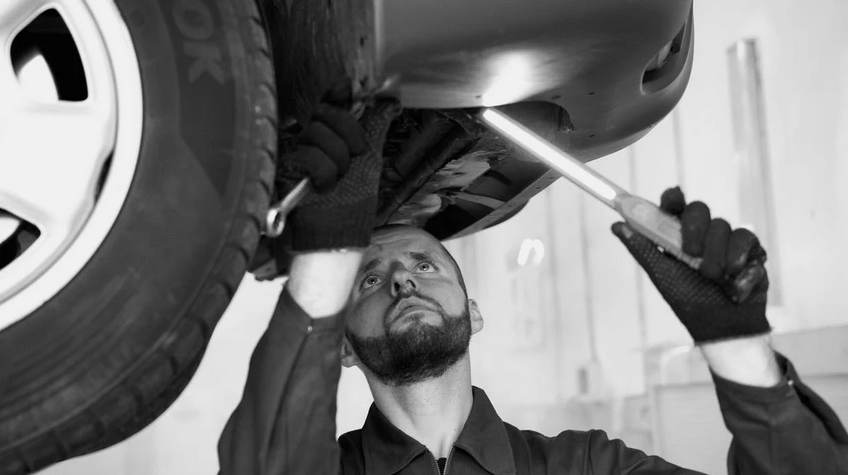
While there may still be some apprehension surrounding this emerging technology, it is clear that self-driving cars have revolutionized modern transportation in numerous ways. With increased safety measures in place, reduced ownership costs, and unmatched convenience levels, it’s easy to see why so many people are choosing autonomous vehicles over traditional ones. As we look towards an automated future where AI-powered machines take over various aspects of our lives, embracing self-driving cars seems like a logical step forward. These vehicles’ potential benefits in terms of safety, cost savings, and enhanced convenience are too great to ignore.…

Advantages of Owning Vehicle Lifts

If you’re a business owner relying on vehicles to transport goods or employees, you know the importance of having a good vehicle lift. Inca Lifts and other service providers offer a variety of vehicle lift models to select. The lifts make it easier and safer to load and unload your vehicles and offer several other benefits to help your business run more efficiently. Below are the top benefits of vehicle lifts.

Improve Productivity

hydraulicYou know how time-consuming and labor-intensive it can be if you’re constantly loading and unloading vehicles by hand. With a vehicle lift, you can quickly and easily load or unload your cars, which can help improve your overall productivity.
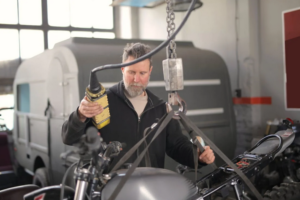
Additionally, vehicle lifts can help you transport heavier loads that would be difficult to move by hand. This can further improve your productivity and efficiency since you won’t have to waste time trying to figure out how to move heavy equipment or materials.

Improve Safety

When loading and unloading vehicles by hand, there is always a risk of injury. It is especially true if you’re lifting heavy loads or dealing with awkward objects. A vehicle lift can minimize the risk of injury since you won’t have to lift anything by hand.

Vehicle lifts can help you avoid accidents when loading or unloading your vehicles. If you’re constantly dealing with heavy traffic, a vehicle lift can give you the extra time and space you need to load or unload your automobiles safely.

Save Space

If you don’t have a lot of space to work with, then a vehicle lift can be a great solution. They are much smaller and more compact than traditional loading docks, meaning they won’t take up as much space.

Stay Organized

motorcycleIf you have a lot of vehicles, then it’s crucial to stay organized. With a vehicle lift, you can easily keep track of your fleet since they will be neatly stored in one place. It can help you save time and money on maintenance and repairs. If you’re constantly loading and unloading vehicles by hand, then you know how expensive it can be. With a vehicle lift, you can save money on labor costs since you won’t need as many workers to load or unload your vehicles.

From the details above, it’s easy to understand why one needs to invest in vehicle lifts, especially if they own a garage or car workshop. Hopefully this information gives you an idea of how useful car lifts are and why they are worth the investment.…