

Mistakes to Avoid When Trading in Your Old Car
Trading in your old car often feels simple on the surface, yet many owners lose serious value because of avoidable errors. Dealers rely on speed, emotion, and information gaps to tilt the deal in their favor. A smart trade-in requires preparation, patience, and a clear understanding of where value can quietly slip away. Early research, including insights from classic and specialty car markets such as those highlighted by Alex Manos, shows how knowledge dramatically changes outcomes. Whether your vehicle is a daily commuter or a collector-worthy machine, the wrong move at the wrong moment can reduce your payout far more than expected. This article breaks down the most damaging trade-in mistakes and explains how to sidestep them before signing anything permanent.
Trading In Without Knowing Your Car’s True Value
 One of the most damaging errors is walking into a dealership without a solid estimate of what your car is worth. Many sellers rely on guesswork, outdated online listings, or emotional attachment. Dealers notice this immediately and adjust offers downward. Vehicle value depends on mileage, service history, market demand, and even seasonal buying trends. Without recent comparisons from multiple sources, you lack leverage. A fair offer feels reasonable only if you already know the realistic range. Accepting the first number placed on the table usually favors the buyer, not the seller.
Focusing Only on the Trade-In Price
Another frequent misstep is viewing the trade-in as a separate transaction while ignoring the total deal structure. Dealers often raise the new car price while appearing generous on the trade-in side. The numbers may look appealing individually, yet the final cost tells a different story. Some buyers celebrate a “great” trade-in offer while unknowingly overpaying for the replacement vehicle. Every figure must be evaluated together. A lower trade-in paired with a discounted purchase price can sometimes produce a better outcome than the opposite arrangement.
Skipping Minor Repairs and Presentation
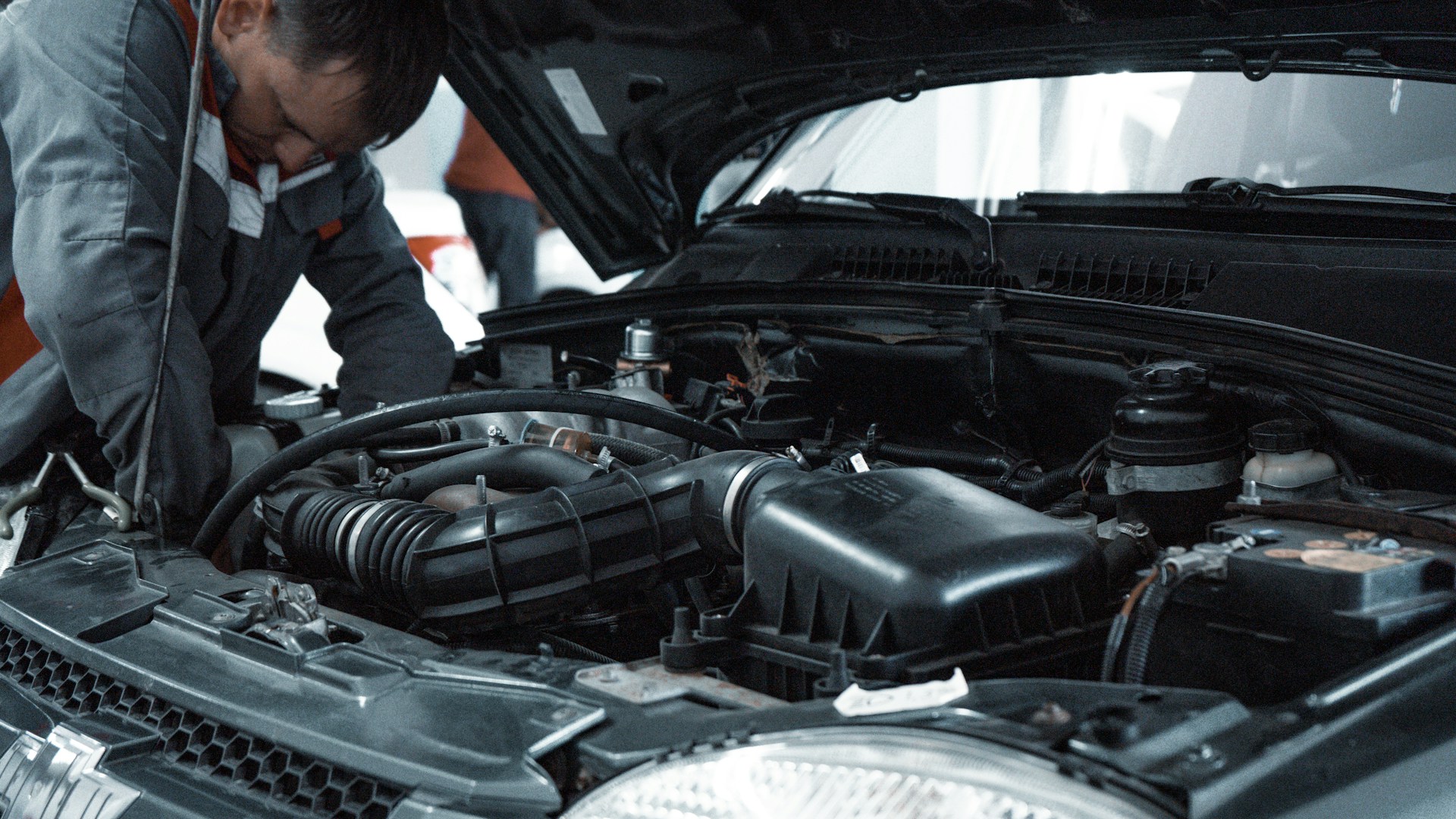
Many owners assume small flaws don’t matter. Scratches, warning lights, worn tires, and overdue maintenance quietly drain perceived value. While major repairs rarely justify their cost before a trade-in, basic fixes often pay off. A functioning light, clean interior, and smooth test drive shape first impressions. Dealers calculate reconditioning costs quickly, then subtract more than necessary for convenience and risk. A modest investment in appearance and functionality can stop those deductions before they start. A neglected look signals future problems, even if the car runs well.
Revealing Too Much Too Soon
Oversharing is another costly mistake. Some sellers volunteer urgency, financial pressure, or dissatisfaction with their vehicle. This information weakens negotiation power immediately. Statements like “I need to sell today” or “I just want it gone” reduce the dealer’s incentive to improve the offer. Silence often works better than explanation. Let the vehicle speak through condition and documentation rather than emotion. Controlled communication keeps discussions centered on facts instead of vulnerability, which dealers often exploit with speed-driven offers.
Accepting the First Offer Without Comparison
 The final mistake is settling too quickly. Many sellers never test the market beyond one dealership. Trade-in values vary widely depending on inventory needs, brand alignment, and resale channels. A car rejected by one dealer may be desirable to another. Private buyers, specialty sellers, or online platforms sometimes pay significantly more. Even if you prefer the simplicity of a trade-in, outside quotes provide negotiation strength. Accepting the initial offer removes any reason for the dealer to improve it.
Trading in an old car does not need to feel like a losing game. Most value loss happens through common, repeatable mistakes rather than bad luck. By understanding your car’s market position, keeping negotiations balanced, managing presentation, limiting unnecessary disclosures, and comparing offers, you place control back where it belongs. A trade-in should support your next purchase, not silently undermine it. Thoughtful preparation transforms the process from a rushed exchange into a calculated decision that protects your investment.…